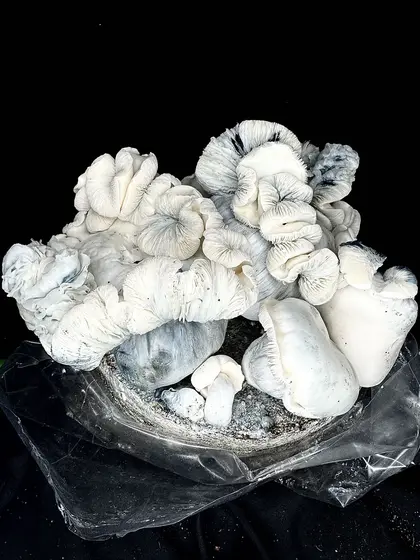
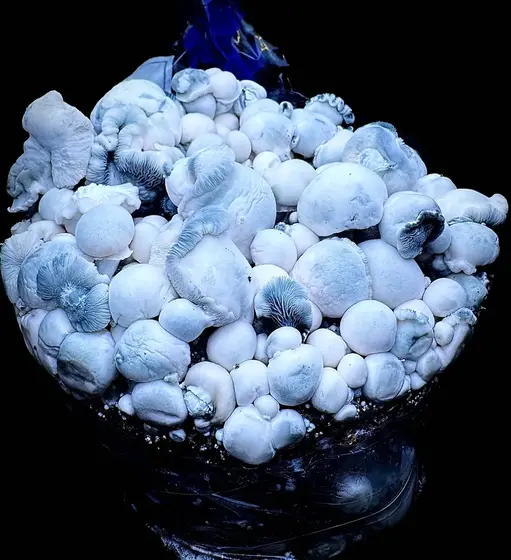
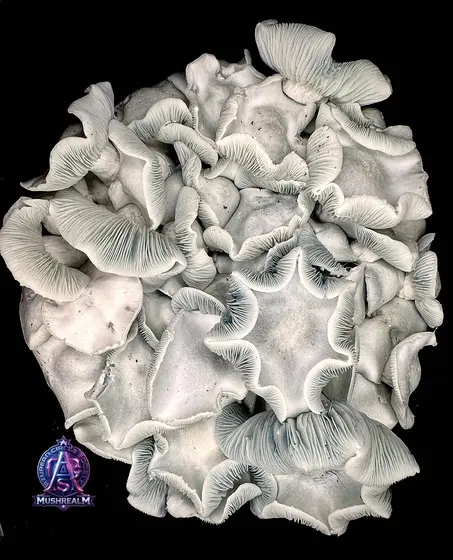
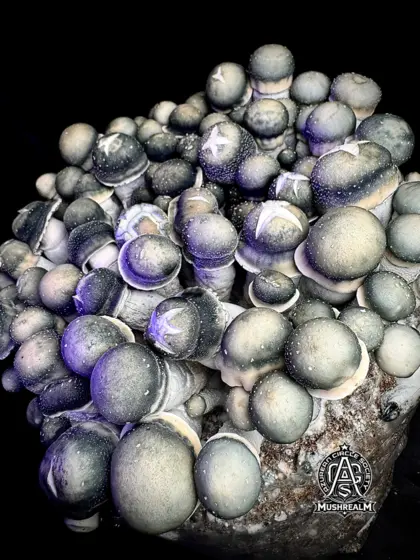
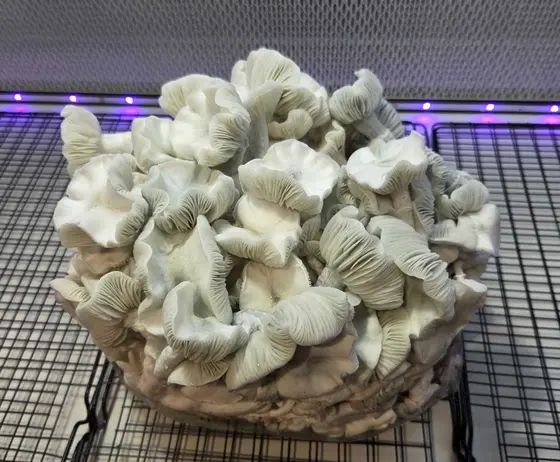
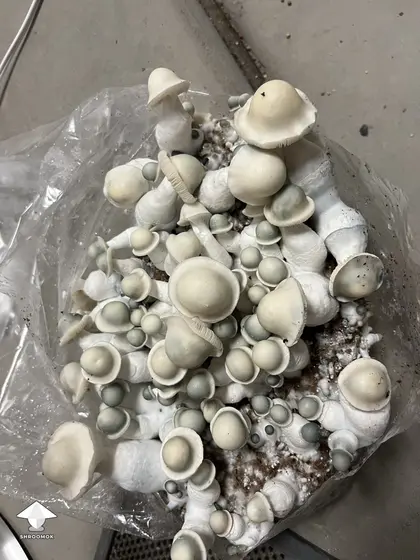
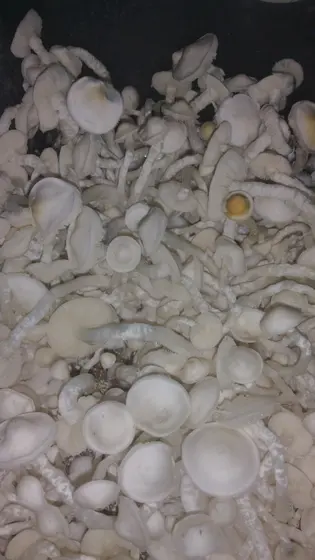
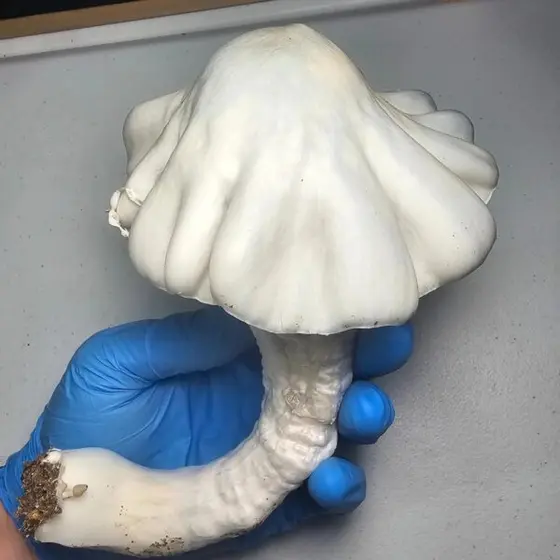
Albino lines are among the most sought-after in Psilocybe cubensis, and they are also where the vocabulary is used most loosely. Three different things are sold under the word: true albino lines that produce essentially no pigment, leucistic lines that produce reduced pigment, and lines bred from albino parents that carry the trait in a cross.
For microscopy the difference is real and visible. Pigment in the spore wall is what makes a cubensis print purple-brown; reduce it and the print pales. This page lists every albino and leucistic line in the library with its documented parents, so you can see exactly what each one is.
 ISO
 ISO
 ISO
 ISO
 ISO
 Restocking
 Restocking
 ISORestocking
 Restocking
 Restocking
 Restocking
 Restocking
 ISORestocking
 Restocking
 ISORestocking
 Restocking
 Restocking
 Restocking
 ISORestocking
 Restocking
 ISORestocking
 Restocking
 Restocking
 ISORestocking
 Restocking
 Restocking
 Restocking
 Restocking
Albino, leucistic and true albino
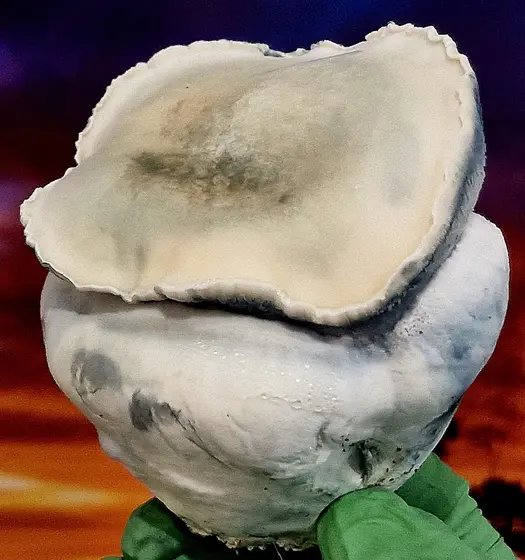
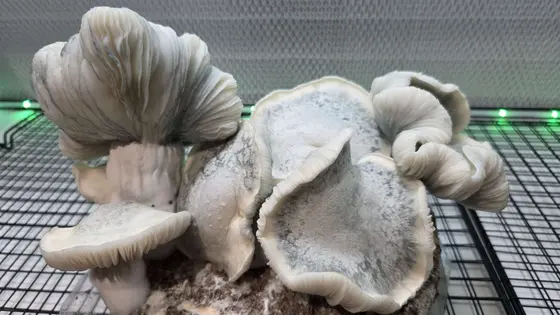
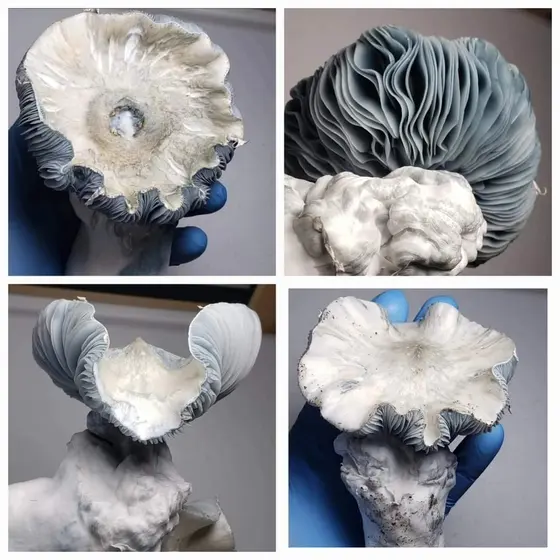
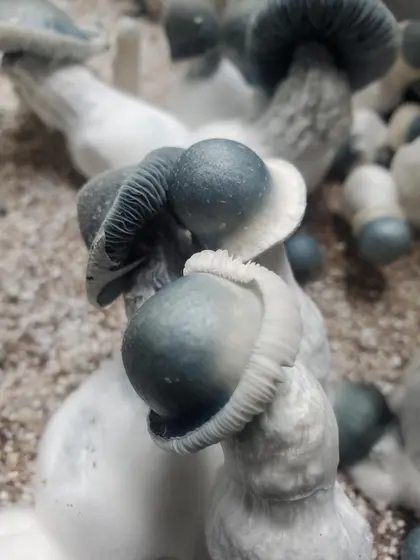
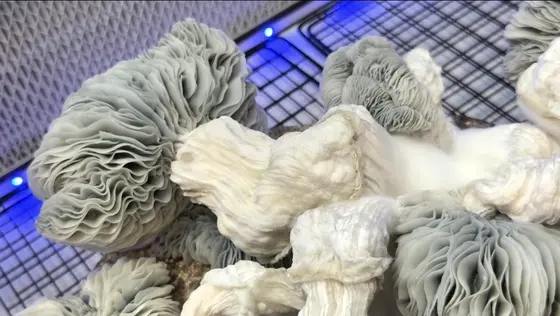
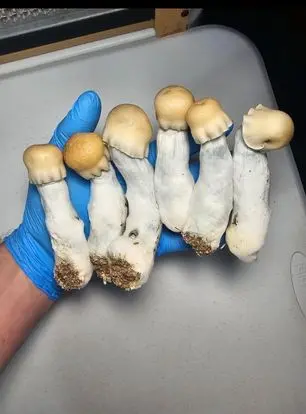
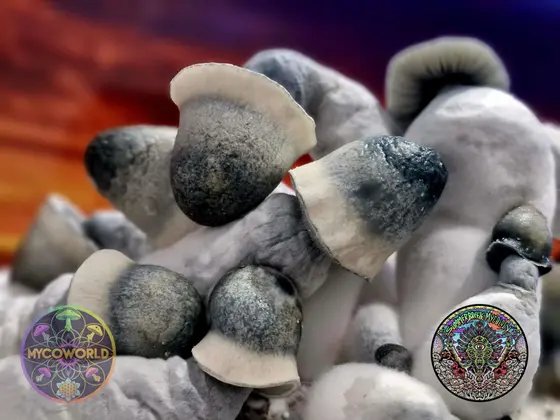
Albino in the trade usually means a line whose fruit body lacks pigment and whose print is pale. True albino is used for lines that produce essentially no pigment at all; True Albino Teacher, one of the two parents of Jack Frost, is the best-known example. Leucistic means reduced rather than absent pigment: the fruit body is pale but not white, and the print sits between the two.
Our journal piece on albino, leucistic and true albino covers the genetics properly, and why the labels are so often confused.
The APE family
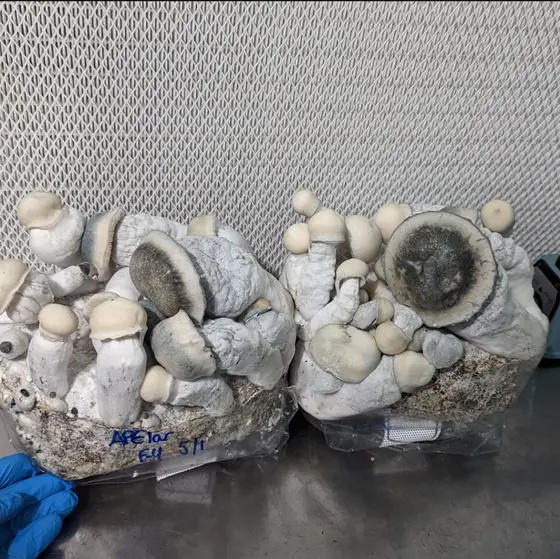
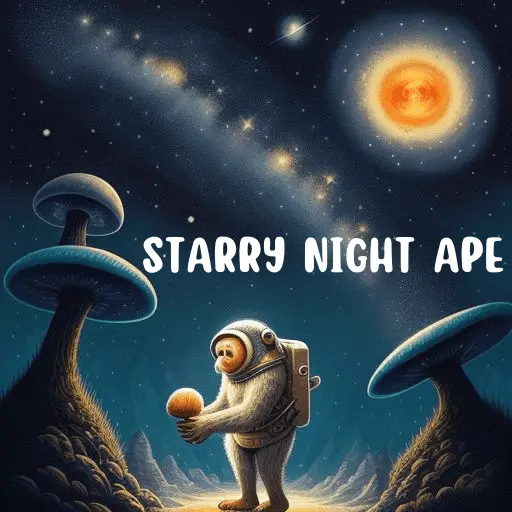
Albino Penis Envy, A.P.E., is the most worked albino line in the species and the parent of dozens of modern crosses, including Starry Night APE (SNAPE), Galactic Gorilla and APETAR, the A.P.E. x Golden Teacher cross. Where an albino line has moved back towards pigmentation it is a revert, and it is listed on the APE and Penis Envy page instead.
What albinism looks like on the slide
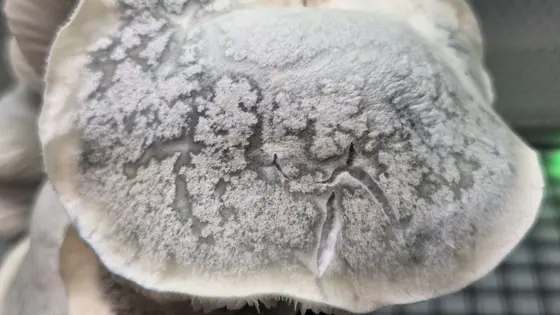
Spore shape and size do not change with albinism. An albino cubensis spore is still subellipsoid, thick-walled and roughly 11-17 by 8-11 micrometres. What changes is colour and, often, quantity: albino prints are usually paler and lighter than a standard purple-brown print, and under transmitted light the spores look noticeably more translucent. A print on black paper shows the difference at once.