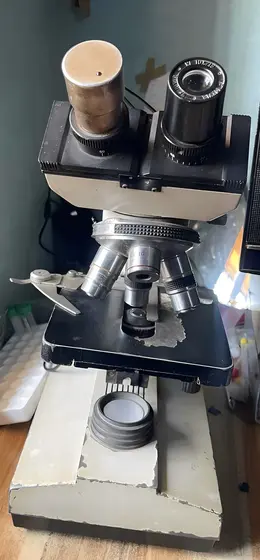
Mushroom spores are small, mostly between 5 and 20 micrometres, so the one non-negotiable is a compound microscope that reaches 400x for survey work and 1000x with oil for measurement. A stereo or USB microscope will show you gills and prints beautifully, but it will not resolve a spore.
This page brings together what a spore microscopy bench actually needs: the microscope, clean glass slides and cover slips, fine tools for handling samples, and the spore syringes from the library that are in stock right now.
 Restocking
 Restocking
 Restocking
 Restocking
 Restocking
 ISO
 ISO
 ISO
 ISO
 ISO
 ISO
 ISO
 ISO
 ISO
 ISO
 ISO
 ISO
 ISO
 ISO
 ISO
 ISO
 ISO
 ISO
 ISO
 ISO
Choosing a microscope for spores
Look for a compound microscope with a 100x oil-immersion objective, a mechanical stage and an adjustable condenser. Anything advertised beyond 1000x is empty magnification on a light microscope and is not worth paying for. The 40x-1000x student compound microscope listed here is the configuration we recommend as a first bench instrument.
Our microscope buying guide covers objectives, illumination and what to avoid in more depth.
Slides, cover slips and mounting
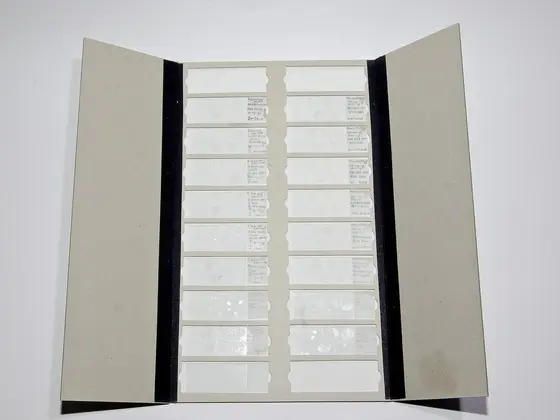
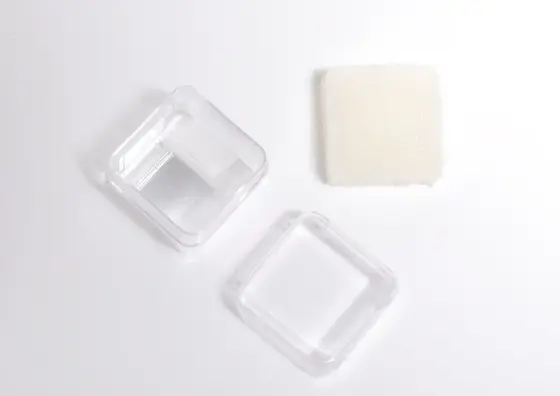
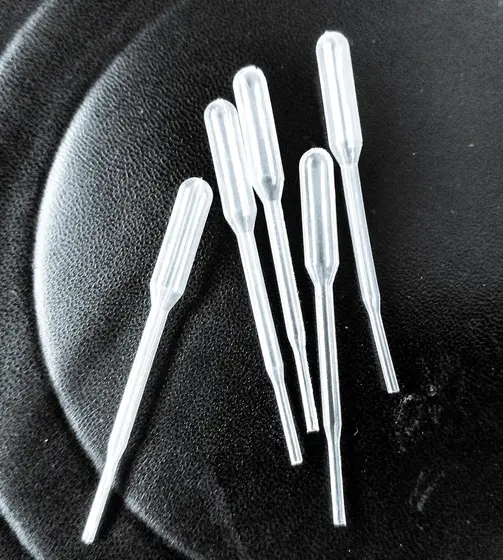
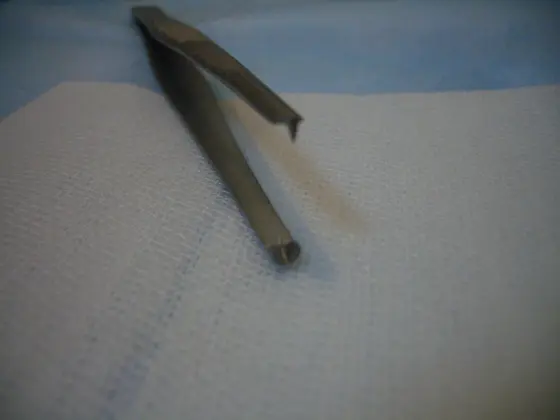
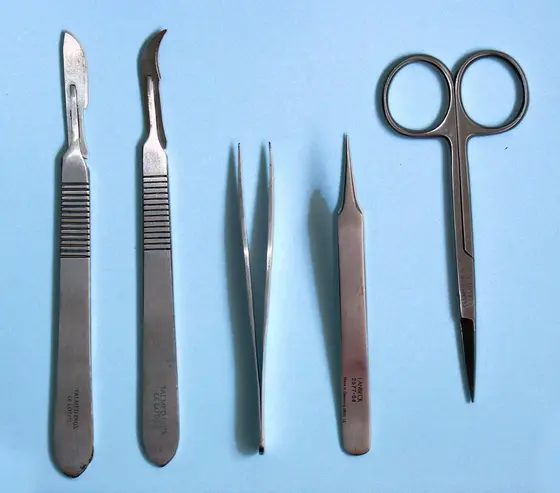
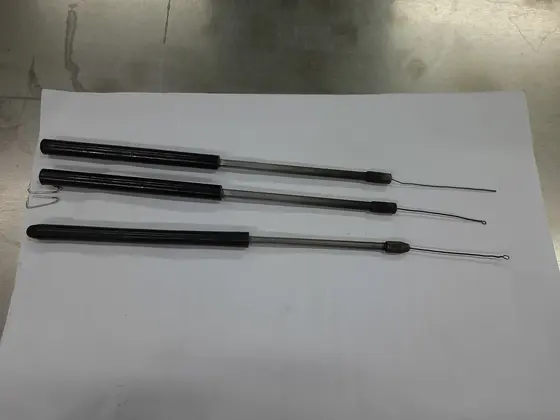
Plain glass slides and 22 x 22 mm cover slips cover most work. A drop from a spore syringe needs no stain for a first look. For measurement, a mount in water or dilute KOH under a cover slip is standard, and reagents such as Melzer's or Congo red are used when you want to examine wall reactions and structure. Fine forceps, teasing needles and pipettes make clean preparation far easier.
Measuring spores
To measure, calibrate an eyepiece graticule against a stage micrometer at each objective, then measure at least twenty spores and record the range rather than a single figure. A Psilocybe cubensis spore should come out at roughly 11-17 by 8-11 micrometres. If yours do not, check the calibration before you doubt the spore.