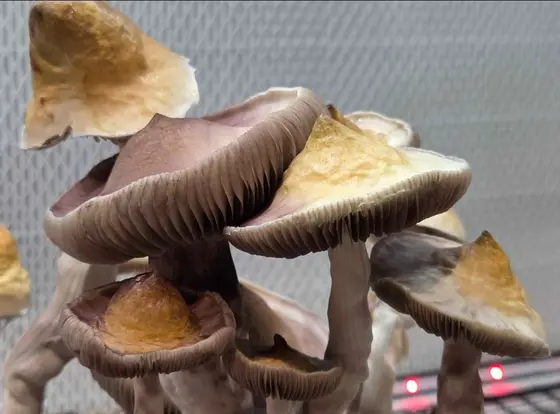
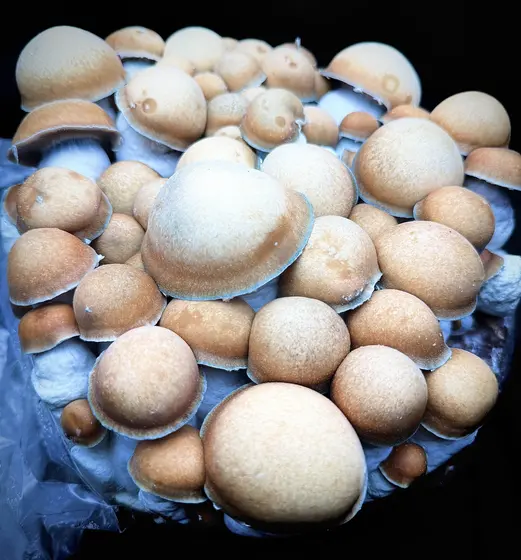
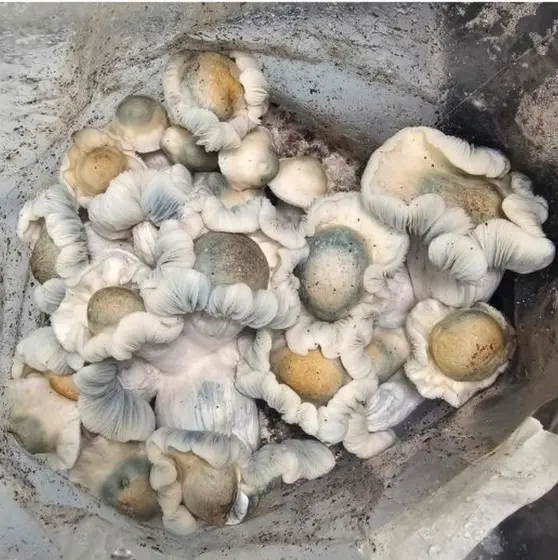
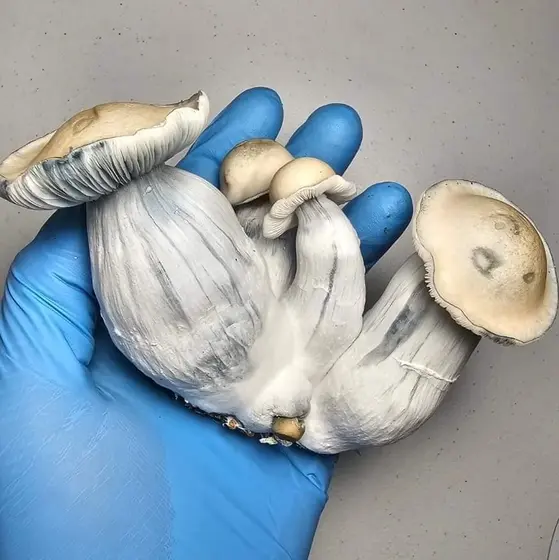
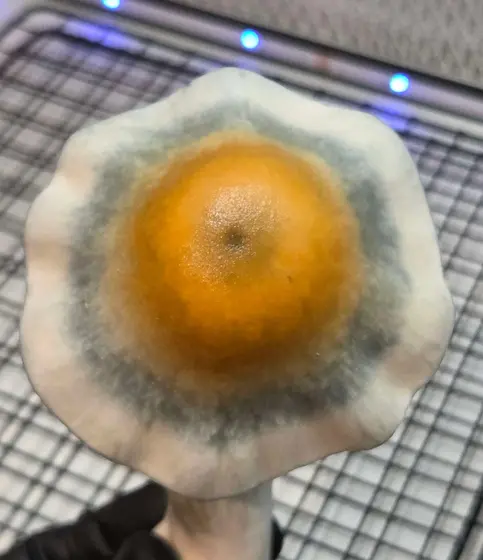
Psilocybe cubensis (Earle) Singer is the most widely studied member of the genus and the reference species for most spore microscopy. It is a dung-associated, pantropical species, described from Cuba in 1906, and it is the species behind almost every named strain in circulation.
Under the microscope cubensis spores are subellipsoid to ellipsoid in face view, thick-walled, and carry a distinct germ pore at the apex. Reference measurements put them at roughly 11-17 x 8-11 micrometres, which makes them comfortably resolvable at 400x and straightforward to measure at 1000x under oil. The spore print is a dark purple-brown, dark enough that print colour alone separates the species from most lookalikes.
 ISO
ISO ISO
ISO ISO
ISO ISO
ISO
 ISO
ISO ISO
ISO
 ISO
ISO ISO
ISO ISO
ISO
 ISO
ISO ISO
ISO ISO
ISO ISO
ISO ISO
ISO ISO
ISO ISO
ISO ISO
ISO ISO
ISO![YV2B [YAK Mutant] - Spore Syringe 10ml](https://pub-c185b193aec54ef1b91b20e83e4ad7be.r2.dev/5e8c99e95f656bbe.webp) ISO
ISO Restocking
 Restocking
 Restocking
 ISORestocking
 Restocking
 Restocking
 Restocking
 ISORestocking
 Restocking
 ISORestocking
 Restocking
 Restocking
 Restocking
 Restocking
 Restocking
 Restocking
 ISORestocking
 Restocking
 Restocking
 Restocking
 RestockingRestocking
 ISORestocking
 Restocking
 Restocking
 Restocking
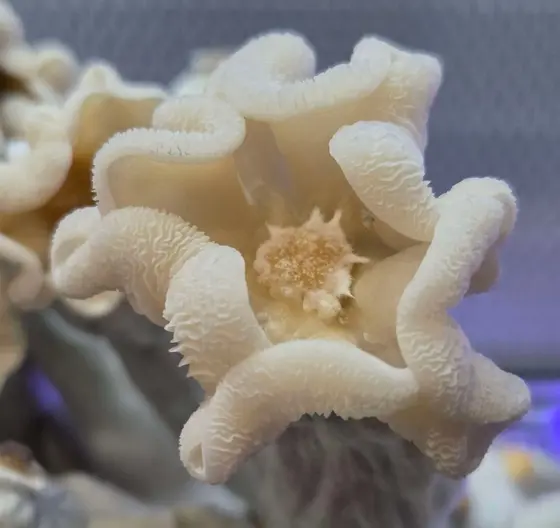 ISORestocking
Chocolate Starfish (Chocolate Krinkle x Phobos) 10ml iso Spore Syringe
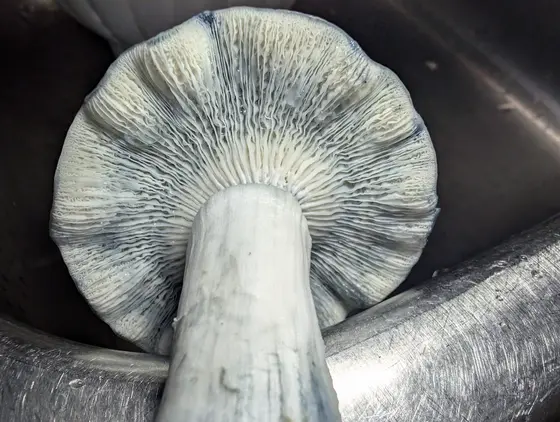 ISORestocking
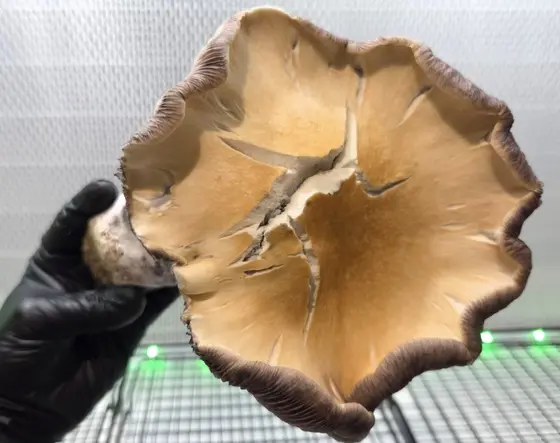 Restocking
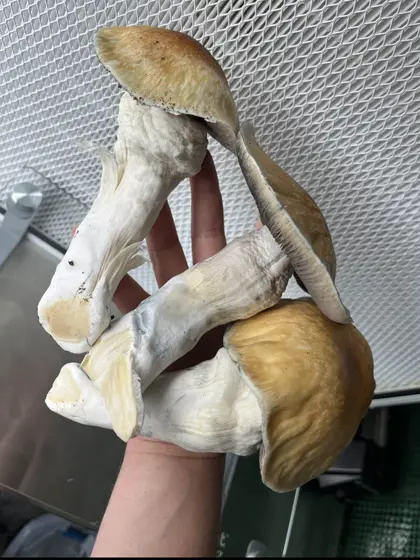 ISORestocking
 Restocking
 Restocking
 Restocking
 Restocking
![DreadMaw [Gamma Decay Iso] Spore Syringe 10ml](/thumbs/mw/wp-content/uploads/2026/05/IMG_1902-1-scaled.jpg.webp) ISORestocking
ISORestocking Restocking
 Restocking
 ISORestocking
 Restocking
 Restocking
 Restocking
 Restocking
![Galaxy Ape [Rare] iso Spore Syringe 10ml](img/strains/galaxy-ape.webp) ISORestocking
ISORestocking Restocking
 Restocking
 Restocking
 Restocking
 ISORestocking
 ISORestocking
 Restocking
 Restocking
 ISORestocking
 Restocking
 ISORestocking
 Restocking
 Restocking
 Restocking
 Restocking
 ISORestocking
 ISORestocking
 Restocking
 ISORestocking
 ISORestocking
 Restocking
 Restocking
 Restocking
 Restocking
 Restocking
 Restocking
 ISORestocking
 Restocking
 ISORestocking
 Restocking
 Restocking
 Restocking
 Restocking
Royal Flush ‘Crown Jewelz’ - (TidalWave 4 x Dwarf King) Spore Syringe
 Restocking
 Restocking
Safari 402 (Shakti Blue Mutant 227 x Great White Monster) Spore Syringe
ISORestocking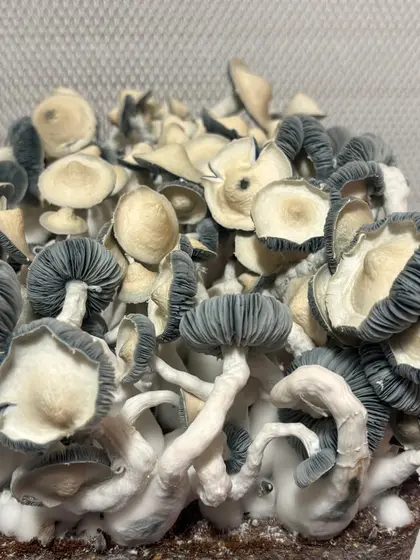 ISORestocking
 Restocking
 Restocking
 RestockingISORestockingISORestocking
 ISORestocking
 Restocking
 Restocking
 ISORestocking
 Restocking
 ISORestocking
 Restocking
 RestockingISORestocking
 RestockingRestocking
 Restocking
![Tidalwave 4 Big Boi [Whathefungi iso] Spore Syringe 10ml](/thumbs/mw/wp-content/uploads/2026/05/1000043220-scaled.jpg.webp) ISORestocking
ISORestocking Restocking
 ISORestocking
 Restocking
 Restocking
 Restocking
 Restocking
 ISORestocking
 Restocking
 Restocking
 Restocking
 Restocking
 ISORestockingISORestocking
What you are looking at on the slide
Work at 400x first to survey the field, then move to 1000x with oil for measurement against a stage micrometer. The germ pore is the feature worth finding: a distinct, flattened aperture at the apex of the spore, clearly visible as a lighter spot when the spore is oriented face-on.
Wall thickness is the other diagnostic. Cubensis spores are noticeably thick-walled compared with Panaeolus, which is the comparison most people are actually trying to make when they put both on a slide.
Isolates, crosses and why the names differ
A strain name in this catalogue means one of two things. Either it is an isolate, a line taken down to a single stable phenotype from a parent population, or it is a documented cross between two named parents. Where we know the cross, it is printed in the product name in brackets.
This matters for microscopy because an isolate gives you a far more uniform sample. A multispore syringe from the same parent will show you the whole genetic spread instead, which is interesting for a different reason.